Most AI projects take 10 weeks because most teams treat AI like a normal engineering problem. Spec it, kick off design, build, test, deploy. By the time the first version ships, the model has been deprecated twice and the customer has forgotten why they wanted it.
We ship in 10 days. Not because we cut corners, and not because the work is small. We ship in 10 days because the bottleneck for AI features is almost never the AI. It is the surrounding scaffolding: the prompts, the eval harness, the data plumbing, the deployment, the monitoring. AI coding tools collapse those bottlenecks if a senior engineer is driving.
The three things AI tooling actually compresses
When people hear "AI-assisted development" they picture autocomplete on steroids. That is the boring part. The interesting compression is in three places:
Boilerplate becomes free. Schema, DTOs, controllers, test fixtures, migration files, documentation. Every framework has its own dialect of repetitive plumbing. Claude Code or Cursor write that plumbing in seconds, correctly, with the project conventions baked in. A NestJS module that used to take three hours to scaffold takes 15 minutes, and the time you save is not 2 hours and 45 minutes. It is three hours, because you never lost focus.
Spec exploration is parallel. When the customer says "I want a chatbot that can refund orders," the old workflow was to spec it, build it, demo it, find out the actual requirements, throw it out, rebuild it. Now we build three rough versions in an afternoon, demo all three, and the customer picks. The spec emerges from the artifact, not the other way around.
Refactors stop being scary. The thing that historically slowed senior engineers down was the cost of changing their mind. Half the work in week 8 of a project is undoing decisions from week 2 that turned out to be wrong. With AI tooling, a sweeping rename across 40 files takes one prompt and one diff review. So you change your mind earlier and more often, which is what senior judgment was supposed to be doing the whole time.
Why this only works with senior engineers
AI tooling is a force multiplier on whatever judgment you already have. Multiply junior judgment by 10 and you get a 10x faster pile of bad code. Multiply senior judgment by 10 and you get a working system in two weeks.
The hard part of building AI features is not the typing. It is the decisions. Which model. Which provider. Which fallback. How to handle rate limits. What to do when the model hallucinates. How to log enough to debug without leaking PII. What evaluations to run before deploy. Whether the latency budget allows tool use. Whether to stream. When to cache. When to bypass the AI entirely and just write the deterministic code.
None of those decisions can be outsourced to the AI. Junior engineers ask the AI and ship whatever answer comes back. Senior engineers ask the AI as a faster way to enumerate options, then pick the right one based on tradeoffs the AI cannot see.
A real 10-day example
We recently built a tiered customer service AI for a payment platform. Three tiers (AI Rep, AI Manager, Human), Twilio voice integration, chat channel, configurable escalation triggers per company, audit logging for SOC2, and admin dashboards for tuning prompts. From kickoff to first production conversation: 10 working days.
The breakdown looked like this. Day 1 was scoping the escalation logic and writing the data model. Days 2 and 3 were the core conversation loop with Claude, including streaming, tool use for order lookups, and the escalation decision tree. Days 4 and 5 were the Twilio voice path, which is mostly TwiML plumbing and a few callbacks. Day 6 was the admin UI for editing prompts and routing rules. Days 7 and 8 were evals, audit logging, and rate limiting. Day 9 was deploy to staging and a real conversation with the founder. Day 10 was production.
The work that would have taken six weeks ten years ago took ten days this year. The work itself was not different. The model is not smarter than the engineer. The difference is that the engineer is no longer typing the boring parts.
What we will not compress
We are not in a hurry on three things. Eval harnesses, security reviews, and deployment hardening. AI features fail in ways deterministic code does not, and the failure modes are usually invisible until a real customer hits them. So we still build evals. We still threat model. We still set up alerts. The 10 days includes all of that. It does not skip it.
The promise is not "we ship faster by doing less." The promise is "we ship faster because we are not doing the parts that no longer need a human." Those are different things, and only one of them survives contact with production.
The honest tradeoff
Shipping in 10 days requires the customer to be in the loop daily. Not weekly. Daily. We will not build a 10-day project for a customer who needs three weeks of internal review on every decision. The compression comes from removing waiting time as much as removing typing time.
If your team can make decisions at the pace AI tooling can write code, you do not need a 10-week timeline anymore. You probably never did.
Continue reading
More from the field.
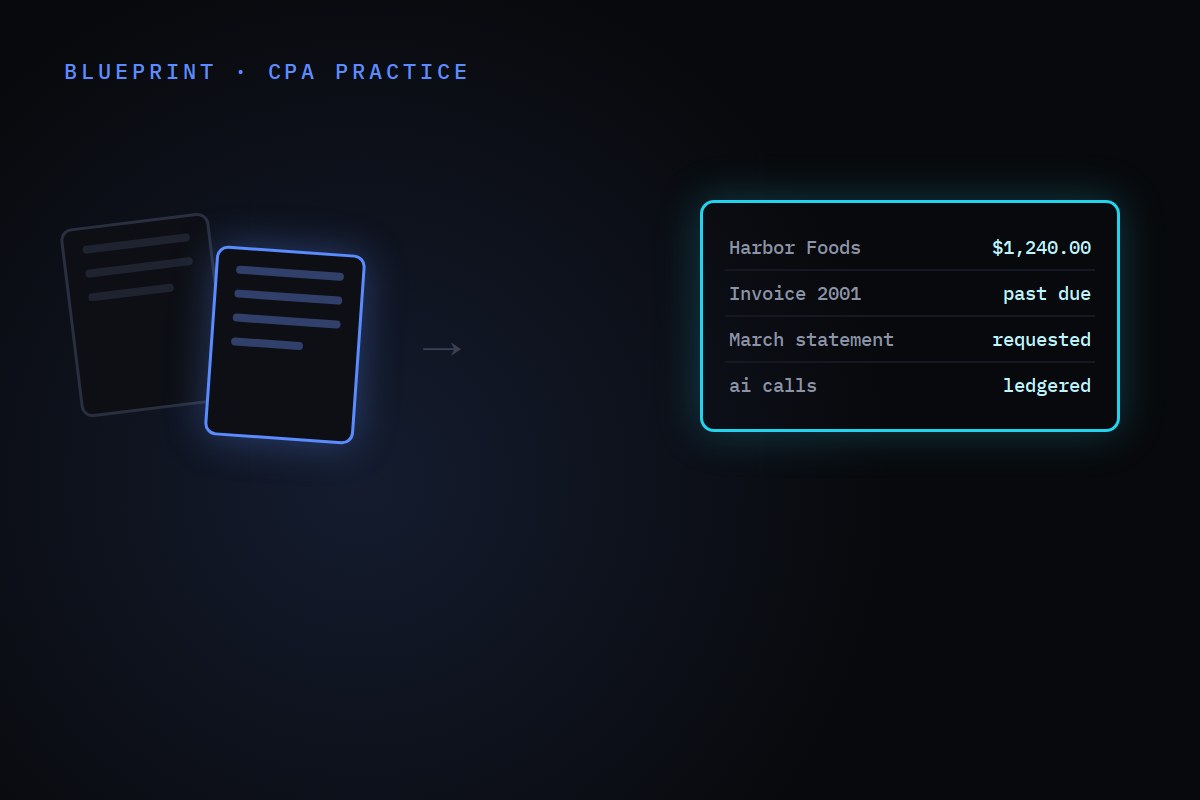
How a CPA practice runs client document collection with AI agents
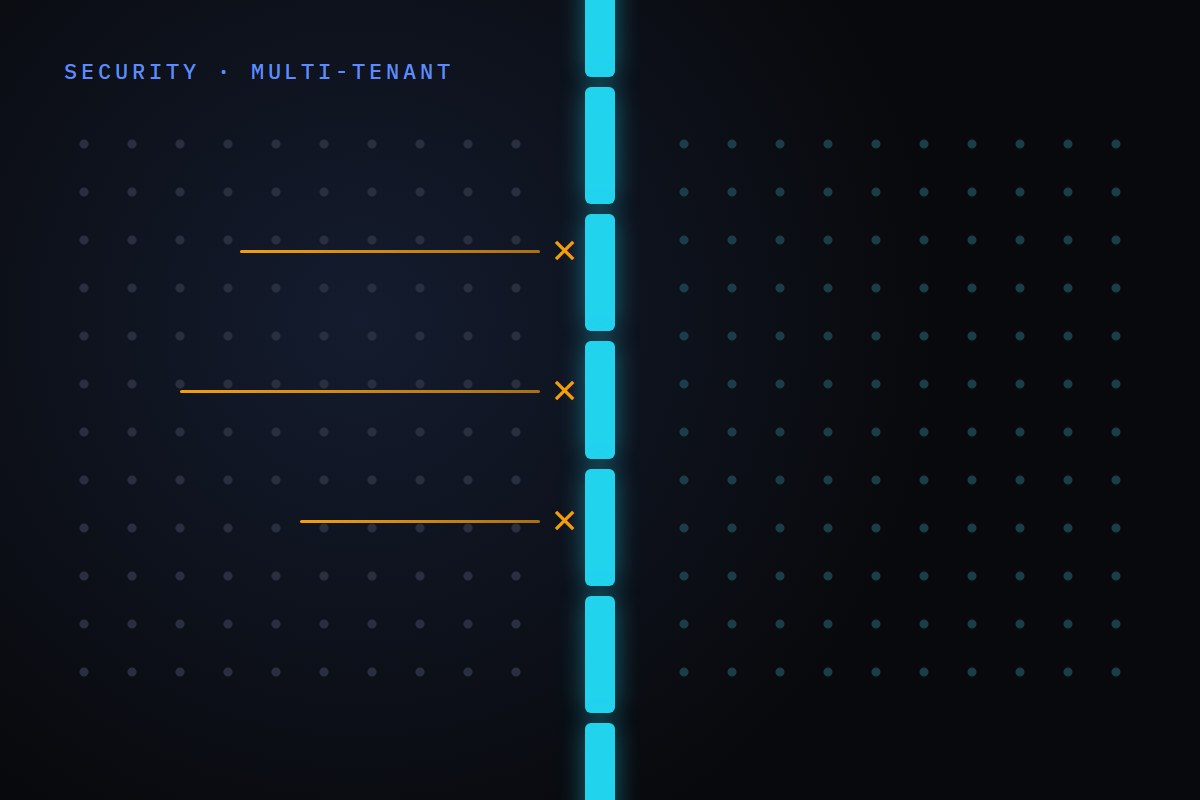
Prove the tenant walls, every deploy
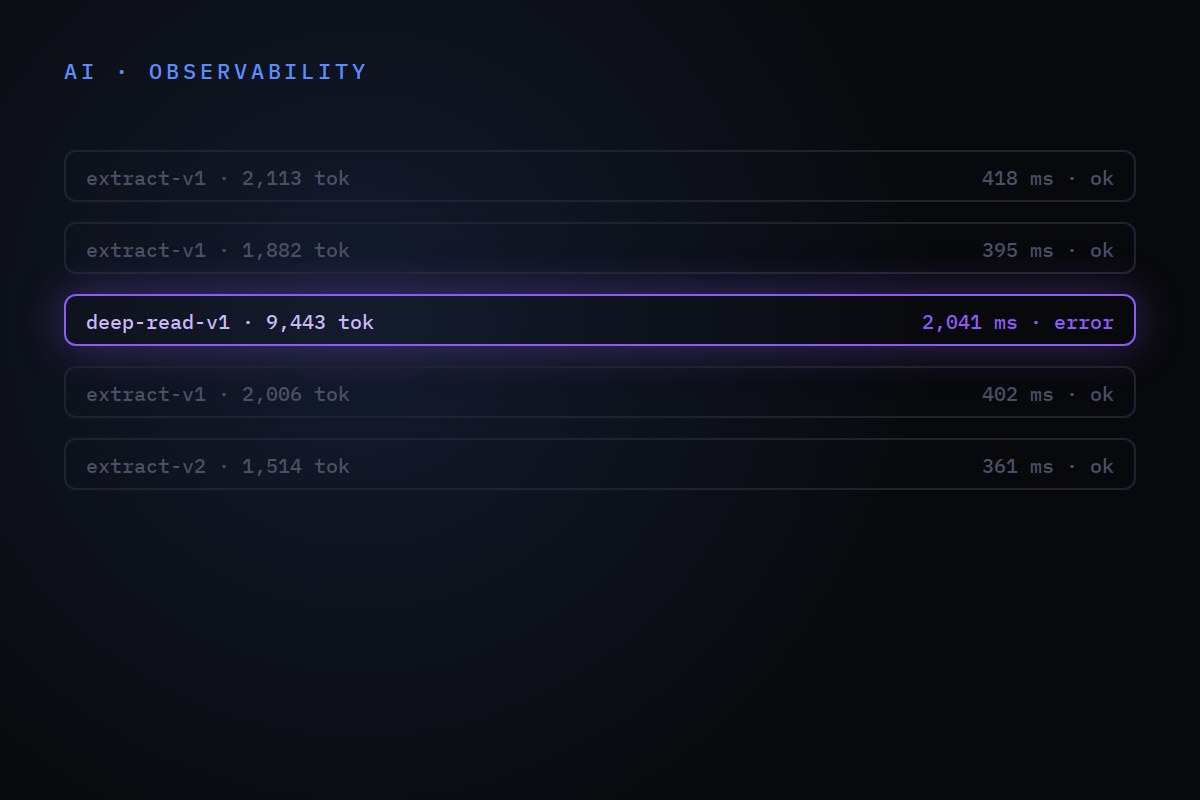
Every model call, on the record
The test suite that clicks what your customer clicks

Closed-loop attribution: the unfair advantage of owning the funnel
DevOps lessons from 7 production deployments
Have something to ship?
Tell us what you're building.
Senior engineers, AWS-native, no slideware. We respond within 24 hours.